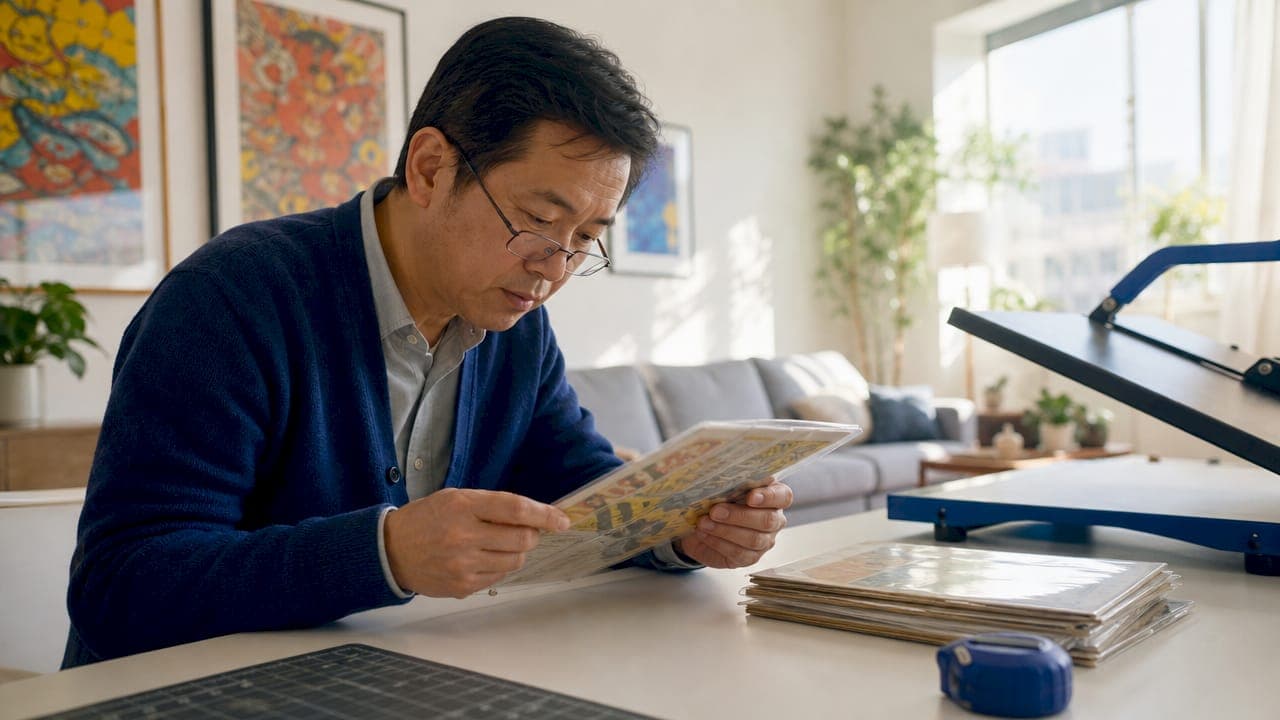
Amateur pressing comic damage is the harm caused to comic books when non-professional techniques misapply heat, humidity, or pressure, producing new defects like rippling, waviness, and distorted spines. The industry term for this process is comic book pressing, and when done wrong, it does more harm than the original defect ever would. Collectors who attempt pressing without proper environmental controls or technique knowledge risk permanently lowering a book's grade. Understanding what amateur pressing comic damage means, and why it happens, is the first step toward protecting your collection.
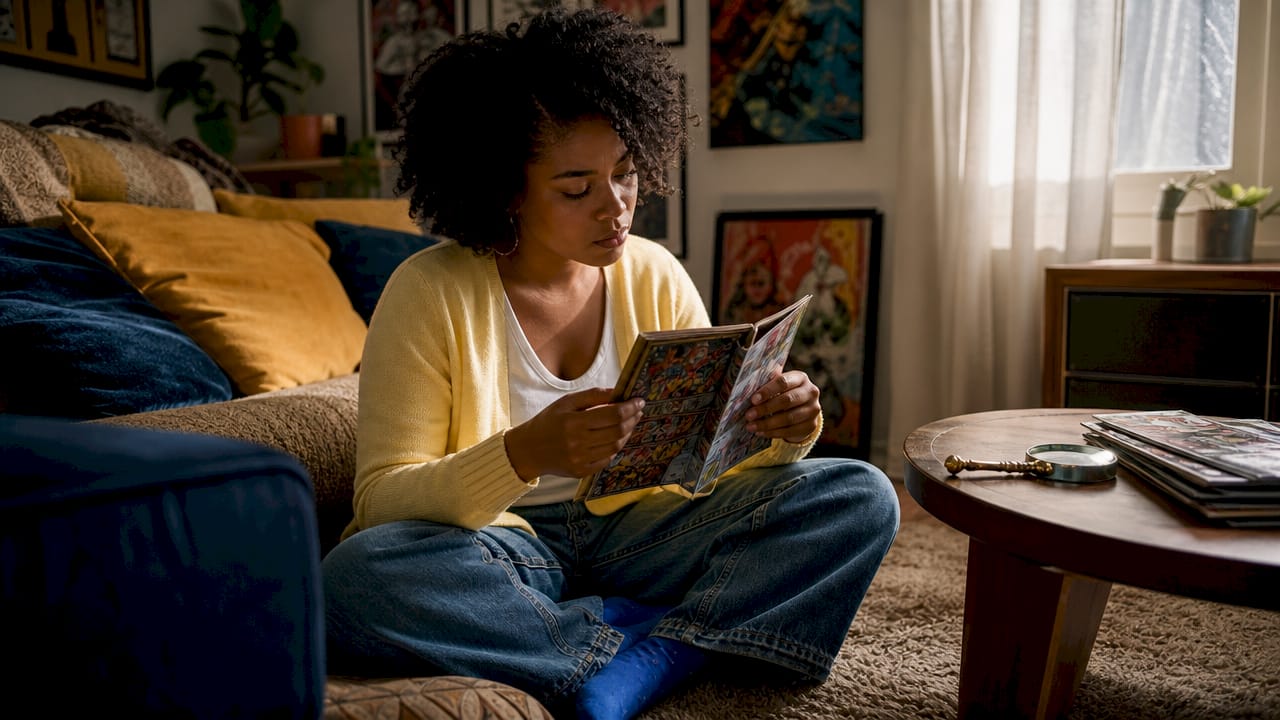
What is amateur pressing comic damage?
Comic book pressing is defined as using controlled heat, humidity, and pressure to flatten non-color-breaking defects in a comic's paper. The goal is to reshape intact paper fibers so that bends, wrinkles, and light impressions become less visible. Pressing targets surface-flatness issues where the paper structure underneath is still whole. It does not add or remove ink, and it cannot restore paper that has already been torn or broken.
Amateur pressing comic damage occurs when collectors apply these same principles without the right controls or knowledge. The result is not a cleaner book. The result is a book with new problems layered on top of the old ones.
What defects can pressing actually fix?
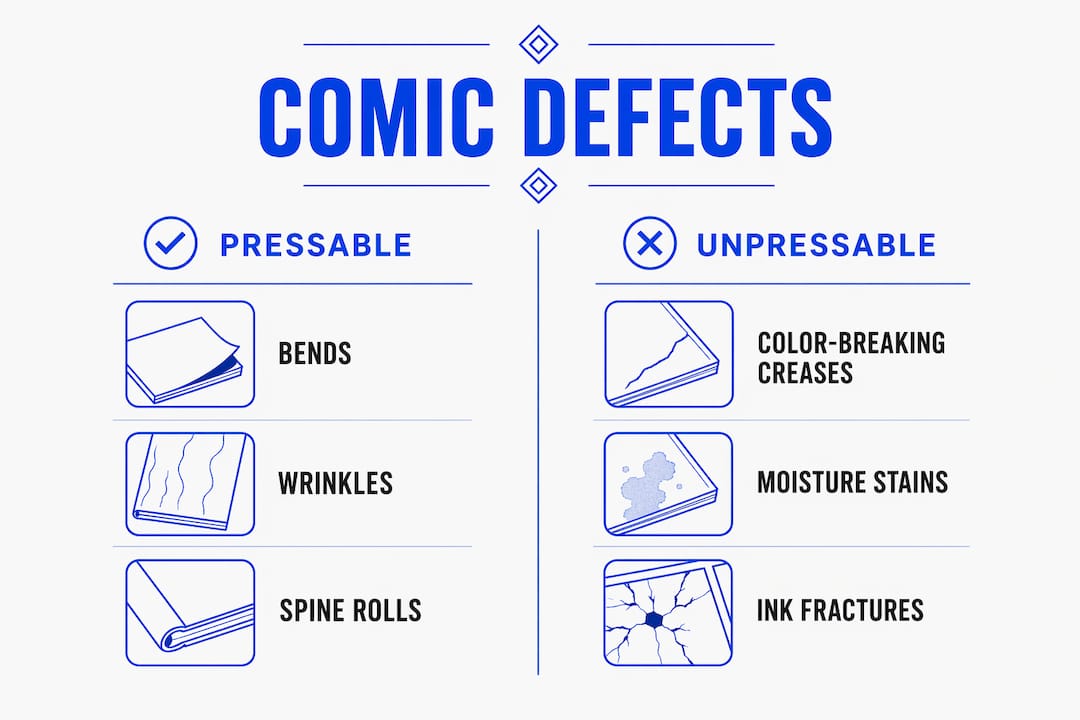
Pressing addresses a specific category of defects. These are problems where the paper fiber is intact but the shape has been altered by bending, rolling, or compression.
Pressable defects include:
- Bends and folds that have not broken the ink surface
- Wrinkles caused by moisture or storage pressure
- Waviness from humidity fluctuations during storage
- Light impressions from stacking or binding pressure
- Spine rolls that have not cracked the cover color
None of these involve broken ink or missing paper. That distinction matters enormously for grading outcomes.
Pro Tip: Following the correct order of operations, cleaning before pressing and pressing before drying, is the single most important factor in avoiding new damage.
How amateur pressing causes new comic book damage
Amateur pressing damage almost always originates in the humidity and drying phases, not the pressing machine itself. Excess moisture and improper drying are the leading causes of rippling and waviness on pressed comics. When a collector applies too much moisture to soften the paper and then dries the book unevenly, the fibers expand and contract at different rates. The result is a wavy, distorted cover that looks worse than the original bend.
Wavy books after pressing are almost always traced back to moisture that was not stabilized evenly post-pressing. This is a well-documented pattern in collector communities. The pressing machine gets blamed, but the real culprit is the drying environment.
Other common causes of amateur pressing damage include:
- Uneven pressure that creates new creases along staple lines or spine edges
- Overheating that dries out brittle pages and causes micro-fractures in the ink
- Rushing the drying cycle by using direct heat, which sets distortions permanently
- Over-pressurizing staples that crush the spine and create dents visible under grading lights
- Skipping rest periods between pressing cycles, which prevents fibers from stabilizing
Each of these mistakes introduces a defect that did not exist before. Pressing reshapes intact fibers only. When the technique is wrong, the pressing process creates the very problems it was meant to solve.
Pro Tip: Amateur pressing risks exceeding any potential grade gain. A book that might have graded 7.0 with its original bend can grade 5.5 after a poorly executed press introduces rippling and spine damage.
How to identify pressable vs. unpressable defects
The most important skill in comic pressing is defect classification. Pressable defects are non-color-breaking, meaning the ink surface is intact even though the paper shape has changed. Unpressable defects involve permanent structural damage where ink or paper has been lost or fractured.
The fastest way to tell the difference is the tilt test. Tilting a comic under bright light at different angles reveals whether a crease has broken the color layer. A bend that shows no color break under direct light is likely pressable. A crease that shows a white or gray line through the color is a permanent ink fracture. Pressing will flatten the paper around it, but the color break stays visible.
| Defect Type | Pressable? | Grading Impact |
|---|---|---|
| Bend (no color break) | Yes | Minor; pressing can improve grade |
| Wrinkle (intact paper) | Yes | Moderate; pressing reduces visibility |
| Spine roll (no crack) | Yes | Moderate; pressing can restore flatness |
| Color-breaking crease | No | Significant; grade cap remains after pressing |
| Tear or missing piece | No | Severe; pressing cannot restore structure |
| Moisture stain | No | Moderate to severe; pressing may worsen appearance |
Color-breaking creases and moisture stains reduce grades significantly and are not fixed by pressing. Attempting to press a book with these defects wastes time and risks adding new moisture-related damage on top of the existing problem.
Experienced collectors use a graded-defect classification workflow before any pressing attempt. They identify every defect, classify each as pressable or unpressable, and only proceed if the pressable defects are significant enough to justify the risk. Pressing changes geometry but cannot restore lost ink or paper. That principle drives every sound pressing decision.
Best practices to avoid amateur pressing damage
Controlling the environment is the foundation of safe pressing. Proper pressing conditions require a room temperature of 70–75°F and a relative humidity of 40–50%. Outside these ranges, paper fibers behave unpredictably during and after pressing. Humidity that is too high saturates the paper. Humidity that is too low causes brittle fibers to crack under pressure.
Beyond environment, the sequence of steps matters as much as the technique itself.
- Clean before pressing. Dirt and debris pressed into paper fibers cause permanent surface damage.
- Humidify gradually. Rapid moisture introduction causes uneven fiber expansion and rippling.
- Press at steady, even pressure. Inconsistent pressure creates new creases along staple lines.
- Dry slowly and evenly. Place the book flat under weight and allow it to stabilize at room temperature.
- Inspect after each cycle. Check for new waviness or spine distortion before pressing again.
Skipping steps or rushing the process risks crushed spines, staple dents, and set-in distortions that are harder to fix than the original defect.
Pro Tip: Rest periods between pressing cycles are not optional. Allowing the paper to stabilize for 24 hours before re-pressing prevents cumulative fiber stress that shows up as permanent waviness.
Collectors should also review common collector mistakes before attempting any pressing at home. Many of the most damaging errors are avoidable with basic preparation.
When should you seek professional comic pressing?
Amateur pressing has real limits. Books with brittle pages, fragile spines, or signatures from creators are not good candidates for home pressing. Brittle paper fractures under pressure. Signatures pressed under heat can smear or fade, destroying both the autograph and the book's value. These are situations where amateur pressing methods cause irreversible damage.
Professional pressing services use calibrated equipment that maintains consistent temperature and pressure throughout the entire cycle. They also operate in controlled environments where humidity is monitored continuously. The difference between a professional press and a home setup is not just equipment. It is the ability to repeat the same conditions on every book, every time.
Books headed for grading submissions to services like CGC or CBCS benefit most from professional pressing. A grade improvement of even one point on a key issue can represent significant value. The cost of professional pressing is almost always lower than the value lost from an amateur pressing mistake.
Consider professional pressing when:
- The book has significant monetary or sentimental value
- Pages show brittleness or yellowing that signals fragile paper
- A creator signature is present
- The book has already been pressed once and shows waviness
- You are preparing for a grading submission
Pressing-issues provides professional pressing services in Seattle and Portland, with the environmental controls and experience that protect your books through the entire process.
For collectors who want to protect their books beyond pressing, essential comic preservation tips cover storage, handling, and environment management that extend a book's condition over time.
Key takeaways
Amateur pressing comic damage results from misapplied humidity, heat, or pressure that introduces new defects rather than fixing existing ones, and the only reliable prevention is proper defect classification combined with strict environmental control.
| Point | Details |
|---|---|
| Pressing fixes only intact-fiber defects | Bends, wrinkles, and spine rolls are pressable; color-breaking creases and tears are not. |
| Moisture causes most amateur damage | Rippling and waviness come from uneven drying, not the press itself. |
| Environment controls are non-negotiable | Maintain 70–75°F and 40–50% relative humidity to prevent new defects. |
| Classify before you press | Use the tilt test under bright light to identify color breaks before attempting any pressing. |
| Professional pressing protects value | High-value books and grading submissions warrant professional equipment and expertise. |
The part most collectors learn the hard way
I have seen a lot of books come through with what I call "well-intentioned damage." A collector finds a beautiful copy of a key issue with a single spine roll. They decide to press it at home. Two weeks later, the spine roll is gone but the cover has a new wave running across the bottom third. The book went from a potential 8.0 to a hard 6.5.
The frustrating truth is that the pressing itself was not the problem. The drying was. The collector used a warm oven to speed things up, and the uneven heat set the moisture unevenly across the cover. That is the most common story I hear.
What I tell every collector who asks about pressing at home is this: the technique is learnable, but the environment is not negotiable. You can learn the right pressure and the right humidification method. What you cannot fake is a room that holds 72°F and 45% humidity consistently for 24 hours. Most homes do not do that naturally, especially in the Pacific Northwest where humidity swings are real.
My honest recommendation is to press practice books first. Find reading copies of books you do not care about and press those until you understand how the paper responds in your specific environment. Only then should you touch anything with real value.
When in doubt, send it out. The cost of a professional press is always less than the cost of a mistake on a book you care about.
— Charles
Pressing-issues: professional pressing for books worth protecting
Pressing-issues serves collectors in Seattle and Portland who want their books handled with care and expertise. Our team uses calibrated equipment and controlled environments to press and clean comics safely, whether you are preparing a key issue for a CGC submission or bringing a beloved run back to its best condition. We understand what is at stake with every book that comes through our door.
Explore our comic pressing services to see what we offer, or review our full services and rates to find the right option for your collection. Every book deserves to be treated like it matters, because to you, it does.
FAQ
What is amateur pressing comic damage?
Amateur pressing comic damage is the harm introduced to a comic book when non-professional pressing techniques misapply heat, humidity, or pressure. Common results include rippling, waviness, spine dents, and staple damage that lower the book's grade.
Can pressing fix a color-breaking crease?
No. A color-breaking crease is a permanent ink fracture that pressing cannot repair. Pressing will flatten the surrounding paper, but the visible color break remains and continues to affect the grade.
What causes waviness after pressing a comic?
Waviness after pressing almost always comes from excess moisture that was not dried evenly. Uneven stabilization during the drying phase causes paper fibers to contract at different rates, producing a wavy cover.
How do I know if a defect is pressable?
Tilt the comic under bright light and look for a white or gray line through the color at the defect. If you see a color break, the defect is unpressable. If the color is intact and only the shape has changed, pressing may help.
When should I use a professional pressing service?
Use a professional pressing service for any book with monetary value, brittle pages, a creator signature, or a planned grading submission. Professional equipment and environmental controls reduce the risk of introducing new damage.