
A comic book spec investment is the practice of buying specific comic book issues with the intent to profit from their price appreciation, driven by factors like upcoming media adaptations, cultural relevance, or scarcity. This is distinct from casual collecting and from comic book flipping, which targets faster, shorter-term gains. Spec investing sits in a middle ground: you buy with conviction, hold with patience, and sell when the market confirms your thesis. The industry term for this practice is "comic book speculation," and understanding how it works requires knowing what drives value, how to manage risk, and why condition is everything.
What is a comic book spec investment and what drives its value?
The core value drivers in comic book speculation are first appearances, low print runs, professional grading, and cultural relevance tied to film or TV. Combinations of these factors maximize appreciation potential more than any single element alone. A book with a first appearance of a character confirmed for a Disney+ series, in a low print run, graded CGC 9.8, is the ideal spec target. Each factor compounds the others.

Media adaptations create the most visible price spikes in the spec market. New Mutants #98, the first appearance of Deadpool, surged from $30 to $800 after an adaptation announcement. Not every spec pays off that way. Eternals #1 saw a surge around its film release but did not hold lasting gains. The difference between those two outcomes comes down to character staying power and ongoing cultural relevance.
Key value drivers to track:
- First appearances and origin issues: These are the most reliable long-term specs. The market consistently rewards books introducing characters with franchise potential.
- Low print runs: Scarcity creates a ceiling on supply. A book printed in limited quantities cannot be reprinted to meet demand, which protects price appreciation.
- Professional grading via CGC or CBCS: Minor flaws can cut value by 50%+ overnight. A graded slab removes condition uncertainty and creates liquidity.
- Cultural relevance: Market spikes tie directly to Disney+ rumors, casting announcements, and confirmed adaptations. Tracking entertainment news is part of the research process.
- Creative team significance: Books by landmark creative teams, like a first issue by a writer who later becomes iconic, carry historical weight that sustains value independently of media.
Pro Tip: Set Google Alerts for character names tied to your spec holdings. Casting announcements and production leaks often move prices before mainstream coverage catches up.
How to manage risk in a comic book investment portfolio
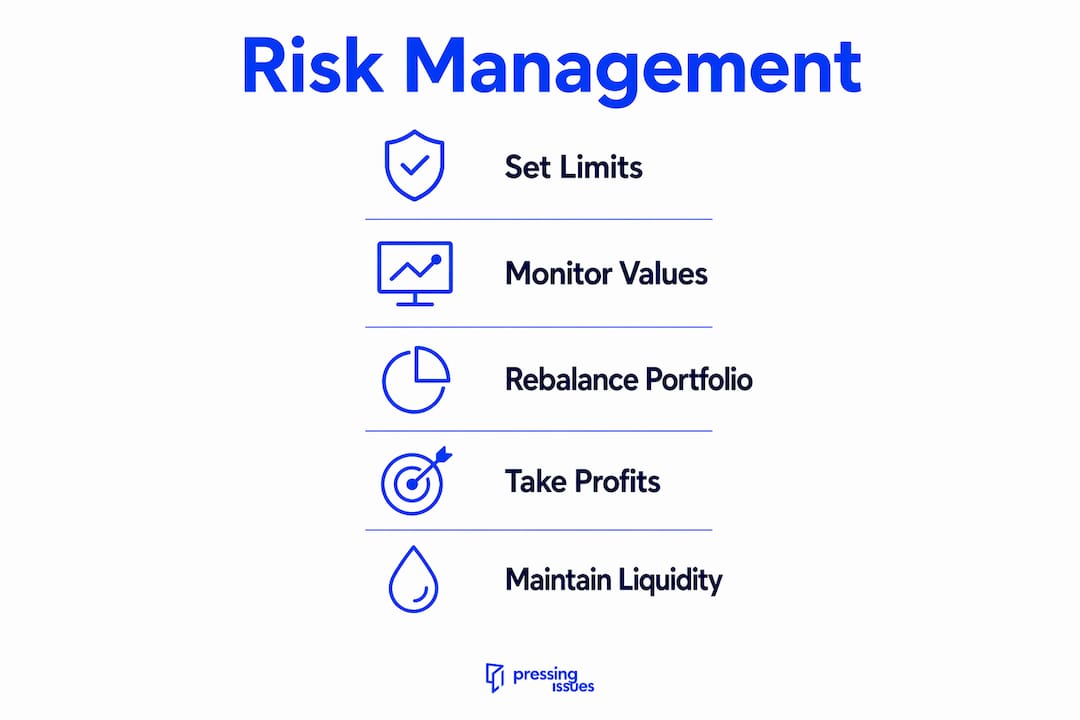
Disciplined spec investors limit speculative holdings to 15–20% of their total comic budget. The rest should sit in blue chip books with proven, steady appreciation. This ratio protects you when a spec thesis fails, which it will, regularly.
A practical portfolio model follows a 40/40/20 structure:
- 40% blue chip comics: Pre-1985 keys from Marvel and DC with established demand. Think Amazing Fantasy #15, Incredible Hulk #181, or Batman #1. These books maintain value as modern mythology and provide a stable base.
- 40% mid-tier keys: Books with strong fundamentals but not yet at peak price. These offer growth potential with less volatility than pure specs.
- 20% speculative holdings: High-risk, high-reward targets based on media catalysts, print run data, and community research. This is your spec allocation.
Annual rebalancing keeps the portfolio honest. When a spec book gains 40% or more, take partial profits and redeploy that capital. Failing to redeploy capital kills compound growth potential. Sitting on cash after a successful sale is one of the most common and costly mistakes in this market.
Liquidity is the hidden challenge most new investors underestimate. Selling comics can take months and often happens at a discount below guide prices. Auction houses take 15–20% of the sale price. Quick sales may yield only 50–60% of fair market value. Comics are not stocks. You cannot exit a position in seconds.
| Portfolio tier | Allocation | Risk level | Typical holding period |
|---|---|---|---|
| Blue chip keys | 40% | Low | 5–10 years |
| Mid-tier keys | 40% | Medium | 3–5 years |
| Speculative books | 20% | High | 1–3 years |
Pro Tip: Maintain a written buy list before you have cash to spend. When a spec sale closes, you deploy immediately into your next target instead of making emotional, rushed decisions.
Common mistakes in comic book speculation and how to avoid them
Spec investing fails most often not from bad luck but from predictable, avoidable errors. Recognizing these patterns before they cost you money is the real edge.
- Buying into hype and FOMO: Real sales data beats social media hype every time. When a book trends on forums or social platforms, the price spike has usually already happened. Chasing that spike means buying high and selling low.
- Ignoring condition: A spine tick, a small crease, or a color-breaking stress line can drop a grade by one full point. One grade point on a high-value book can mean hundreds or thousands of dollars in lost value. Condition is not a secondary concern. It is the primary one.
- Overloading on #1 issues and variants: Publishers print #1 issues in high volume because they know collectors buy them. High print runs suppress scarcity. Variant covers with print runs in the tens of thousands rarely appreciate meaningfully.
- Underestimating storage and maintenance costs: Humidity control between 40–50% and temperature between 65–70°F are necessary to prevent silent degradation. Specialized insurance for slabbed comics adds another layer of cost that most new investors ignore until a loss occurs.
- Holding too long after a catalyst passes: Media-driven spikes are temporary if the character does not sustain cultural momentum. Sell into the hype cycle, not after it peaks and fades.
The post-2021 market correction separated disciplined investors from speculators chasing trends. Books that held value through that correction shared one trait: they had genuine fundamentals, not just social media momentum.
Practical steps to start with comic book spec investing
Getting started in comic book speculation requires a research foundation before you spend a dollar. These steps build that foundation in the right order.
- Study sales data, not asking prices. Platforms like eBay's completed sales and CGC census data show what books actually sell for, not what sellers hope to get. Asking prices are opinions. Completed sales are facts.
- Learn the CGC census. The census shows how many copies of a book exist at each grade. A book with three copies graded CGC 9.8 is genuinely scarce. A book with 3,000 copies at that grade is not, regardless of what the cover price suggests.
- Research print runs before buying. Modern books with print runs above 100,000 copies rarely become meaningful specs. Target books with documented low print runs or books from eras before print run data was widely tracked.
- Set a hard budget for spec purchases. Decide your maximum per book before you start browsing. Emotional buying in the moment almost always exceeds what the fundamentals justify.
- Get professional pressing and grading before submission. A book in raw condition with a small, non-color-breaking crease can often recover a full grade point through professional pressing. That grade point directly affects resale value and liquidity. Pressing Issues handles this process for collectors in Seattle and Portland, preparing books for CGC grading submissions with care and expertise.
- Engage with the collector community. Forums, local comic shops, and collector groups surface information before it hits mainstream coverage. Community knowledge is a genuine research advantage.
Choosing which comics to send for pressing is itself a skill worth developing early. Not every book benefits equally from the process, and knowing the difference saves time and money.
Key Takeaways
Comic book spec investing rewards disciplined research, condition management, and portfolio balance far more than luck or trend-chasing.
| Point | Details |
|---|---|
| Define your spec allocation | Limit speculative books to 15–20% of your comic budget to control downside risk. |
| Prioritize condition above all | Minor flaws can cut a book's value by 50% or more; professional grading protects liquidity. |
| Track media catalysts early | Price spikes tied to adaptations happen fast; research before announcements, not after. |
| Rebalance and take profits | Take partial profits at 40% gains and redeploy capital to compound returns over time. |
| Account for hidden costs | Storage climate control, insurance, and auction fees all reduce net returns significantly. |
What I've learned from watching the spec market up close
The most common mistake I see is treating speculation like a lottery ticket. Investors buy a trending book, watch it spike, and assume they have found a system. Then the next three picks go flat, and they wonder what changed. Nothing changed. The first win was luck dressed up as skill.
The spec investors who consistently do well share one habit: they separate what they want to be true from what the data actually shows. A character you love does not automatically make a good spec. A book that feels important to you personally is not the same as a book the broader market will reward. That emotional distance is genuinely hard to maintain when you are also a fan, and most of us in this space are fans first.
The post-2021 correction was clarifying. Books with real fundamentals, genuine scarcity, and strong grading held their value. Books that rode social media momentum fell hard. Cultural passion sustains the market long-term, but it does not protect individual specs from short-term collapse. The best approach I have seen combines genuine enthusiasm for the medium with the discipline to treat each purchase as a business decision. Keep a written thesis for every spec you buy. If you cannot write two sentences explaining why the fundamentals support the price, do not buy it.
— Charles
How Pressing Issues helps protect your speculative investments
A spec book in poor condition is a missed opportunity. The difference between a CGC 8.0 and a CGC 9.4 on a key issue can represent a significant gap in resale value, and that gap often comes down to small, correctable flaws.
Pressing Issues provides professional comic book pressing and cleaning services for collectors in Seattle, Washington, and Portland, Oregon. We prepare your books for grading submissions, addressing spine ticks, light creases, and surface debris that hold grades back. Whether you are submitting a key first appearance or a low-print-run modern book, we treat every comic with the same care we would give our own collection. Protecting your spec investment starts with the condition of the book in your hands right now.
FAQ
What is the difference between spec investing and flipping?
Spec investing targets medium to long-term price appreciation based on anticipated catalysts like media adaptations, while flipping focuses on short-term resale for quick profit. Flipping is more volatile and requires faster market timing.
Are comics a good investment compared to stocks?
Comics can deliver strong returns on key issues but carry much lower liquidity than stocks. Selling can take months, and auction fees of 15–20% reduce net gains significantly.
How does CGC grading affect a comic's investment value?
CGC grading removes condition uncertainty and creates a standardized, liquid market for buyers. A graded book in a high grade sells faster and at a premium compared to the same book in raw, ungraded condition.
What percentage of my budget should go to spec comics?
Professional guidance recommends limiting speculative holdings to 15–20% of your total comic investment budget, with the remainder in blue chip and mid-tier keys for stability.
How do I know if a comic book spec is based on real value or just hype?
Check completed sales data and CGC census numbers rather than social media discussions. A book with genuine scarcity, a documented first appearance, and real sales history has fundamentals. A book trending on forums without those factors is likely hype.
Recommended
- What Is Comic Book Flipping? A 2026 Investor's Guide — Pressing Issues
- The Grading Upgrade Game: Where Are the Sweet Spots for Pressing and Cleaning? — Pressing Issues
- Comic Dealer Heritage Auction Preparation: 2026 Guide — Pressing Issues
- Comic Book Pressing Secrets Revealed: What Experts Don't Want You to Know — Pressing Issues