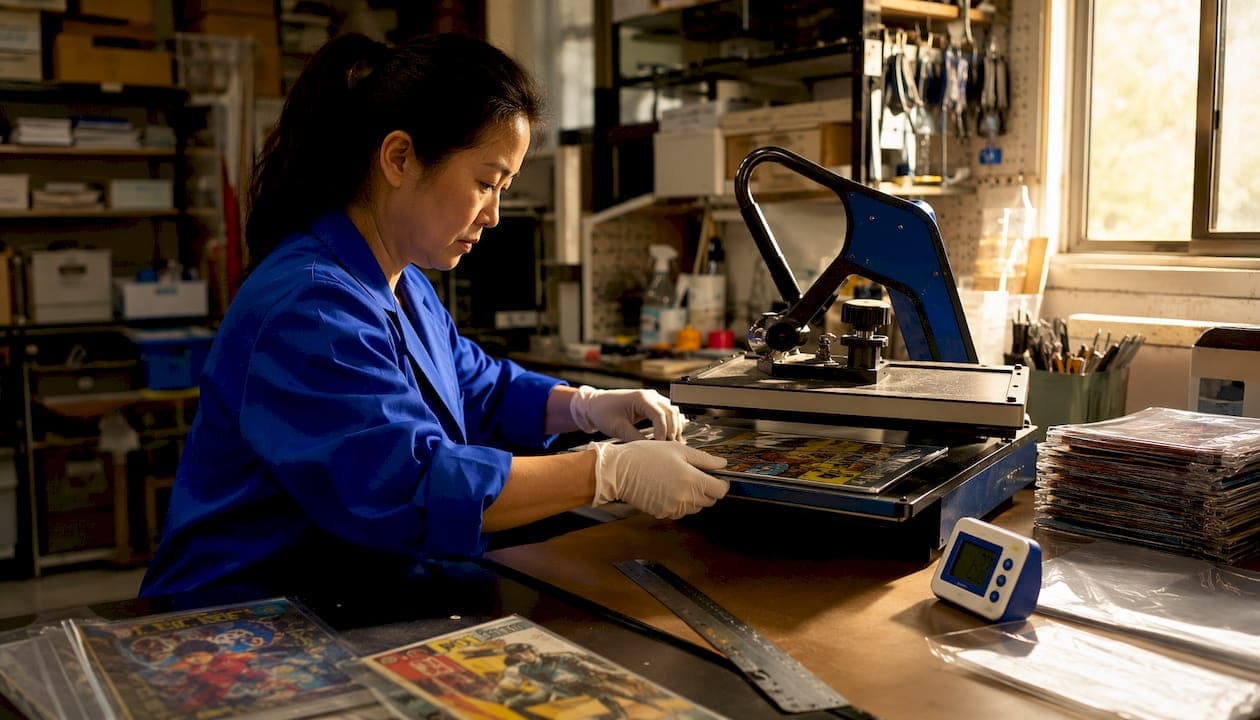
Professional comic book pressing and cleaning is a conservation process that removes non-color-breaking defects from your comics using controlled heat, humidity, and pressure, without triggering a restored label from grading companies like CGC or CBCS. A priority comic cleaning service takes that same process and moves your books to the front of the queue, giving you faster turnaround when time or a pending sale matters. The result, when done correctly, is a cleaner, flatter book with stronger eye appeal and a real shot at a higher grade.
Here is what that means for your collection:
- Improved grade potential: Pressing can lift a book's grade by one or more points when defects are cosmetic and pressable.
- No restoration penalty: Pressing is a non-additive process. CGC and CBCS do not classify it as restoration, so your book keeps its Universal label.
- Higher market value: A grade bump of even half a point can translate to a meaningful increase in resale price, especially on key issues.
- Long-term preservation: Flattening a book and removing surface contaminants slows further deterioration of the paper and cover.
The critical distinction is this: pressing resets a book's flatness. Restoration adds or alters material. Knowing that difference protects both your grade and your wallet.
Table of Contents
- What defects can professional pressing and cleaning actually fix?
- How does the professional pressing and cleaning process work?
- Pressing vs. restoration: what the difference means for your grade
- What does pressing cost, and how does it affect your comic's value?
- What Pressing Issues brings to professional comic pressing in Seattle and Portland
- Which professional pressing services are worth knowing about?
- Pressing Issues is ready to bring your comics back to life
- Key Takeaways
What defects can professional pressing and cleaning actually fix?
Not every flaw responds to pressing, and sending the wrong book is one of the most common mistakes collectors make. Pressable defects are physical distortions in the paper or cover that heat and controlled pressure can relax back toward their original position.
Defects pressing can address:
- Bends and folds that have not broken the color layer
- Dents and indentations from storage or shipping
- Rippling or waving along the cover or interior pages
- Light spine roll
- Minor corner blunting without color break
- Staple stress that has not torn the paper
Defects pressing cannot fix:
- Color-breaking creases (the white line is permanent)
- Tears, chips, or missing pieces
- Water stains or foxing
- Soiling or ink transfer
"Pressing is a non-invasive method of restoring the original flatness of a book as if it were just printed. No chemicals or inks or paints or any similar methods are used. Grading labels will not state 'restored' on the label once a book has been pressed." — KaptainMyke, How to Press Comic Books
Dry cleaning addresses a separate but related category: surface dirt, fingerprints, and mild foxing. A dry cleaning service uses soft erasers and brushes to lift contaminants before any heat is applied. On high-value vintage books, that surface freshness alone can affect the final grade.
How does the professional pressing and cleaning process work?
The process is more involved than most collectors expect. A single book can take a full day or more from start to finish when done properly.
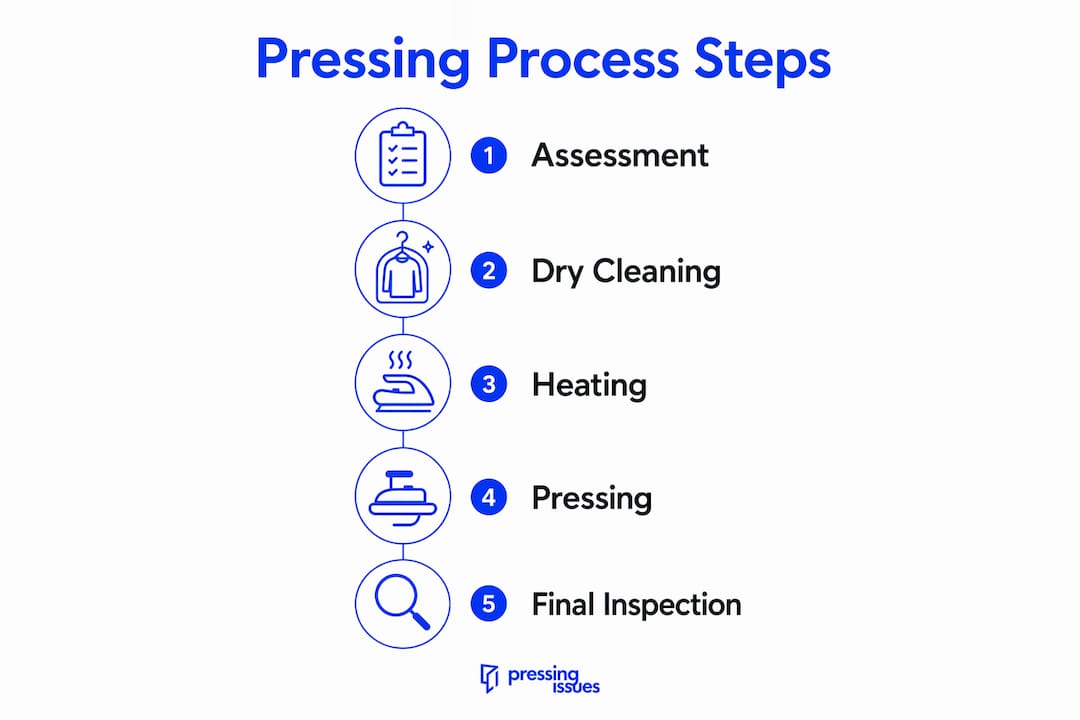
- Initial assessment: The presser inspects the book for pressable versus non-pressable defects, checks for brittleness, spine splits, and staple condition. Pre-screening determines whether pressing is likely to improve the grade or whether the book is better left as-is.
- Dry cleaning: Surface contaminants are removed with erasers and soft brushes before any heat is applied. Dry cleaning must happen first — pressing a dirty book permanently locks dirt into the paper fibers.
- Pressing setup: The book is placed in a heat press with carefully calibrated temperature, humidity, and pressure settings specific to the book's era and paper type. Golden Age and Silver Age books require lower heat and more caution than modern books.
- Active pressing: The book sits under heat for roughly 5–7 minutes per cycle, depending on the severity of defects.
- Cooling and evaluation: The book cools for 24 hours or more while still under pressure. This step is non-negotiable. Removing a book from the press too early causes the paper to revert.
- Multi-stage pressing: Stubborn defects, particularly spine roll, may require additional cycles. Spine roll realignment alone can take two or more additional hours.
- Final inspection: The presser evaluates the result before packaging for return or grading submission.
| Stage | Time Required | Key Risk |
|---|---|---|
| Initial assessment | — | Missing non-pressable defects |
| Dry cleaning | — | Rubbing off surface gloss |
| Active pressing | 5–7 minutes per cycle | Scorching, ink fading |
| Cooling under pressure | 24+ hours | Premature removal causing reversion |
| Spine roll correction | 2+ additional hours | Incomplete realignment |
Pressing vs. restoration: what the difference means for your grade
This distinction carries real financial weight, and it is worth understanding precisely.
Pressing is conservation. It uses heat and pressure to return a book to its original flat state without adding any foreign material. CGC explicitly classifies pressing as a non-additive procedure, alongside dry cleaning and tape removal. A pressed book receives a Universal label.
Restoration involves adding material, such as color touch, glue, or trimming, to improve a book's appearance. CGC and CBCS both disclose detected restoration on the label, and the market penalizes restored books heavily. A restored copy of a key issue can sell for a fraction of what an unrestored copy commands, even when the restored book looks better to the naked eye.
| Factor | Pressing | Restoration |
|---|---|---|
| Materials added | None | Inks, glue, or paper |
| CGC/CBCS label | Universal | Restored |
| Market perception | Accepted, no penalty | Significant value discount |
| Grade impact | Positive when defects are pressable | Disclosed; often lowers collector demand |
| Reversibility | Yes, in most cases | No |
The misconception that pressing equals' restoration is still common among newer collectors. Pressing is purely conservation to reset flatness, nothing more. Keeping that distinction clear protects you when buying pressed books and when deciding what to do with your own.
What does pressing cost, and how does it affect your comic's value?
Professional pressing services typically charge $15–$40 per book for standard turnaround, with bundled pressing plus grading submissions running $50–$80 for modern books. Priority or expedited tiers cost more and move your books faster, but they do not change the physical outcome. A priority service level is a convenience upgrade, not a grade guarantee.
Factors that affect your pressing cost:
- Comic era (Golden Age and Silver Age require more care and time)
- Severity and type of defects
- Turnaround speed selected (standard vs. priority)
- Whether dry cleaning is added
The optimal grade range for pressing is roughly 8.5–9.4. Books in that window have enough cosmetic defects to benefit from pressing while still having the structural integrity to hold a higher grade. Books already grading above 9.6 rarely see meaningful improvement, and books below 8.0 often have non-pressable damage that pressing cannot address.
| Current Grade | Potential After Pressing | Approximate Value Lift |
|---|---|---|
| 8.5 | — | Moderate to significant |
| — | 9.4–9.6 | Significant on key issues |
| 9.4 | 9.6 | High on high-demand books |
| Below 8.0 | Minimal change likely | Low; pressing rarely cost-effective |
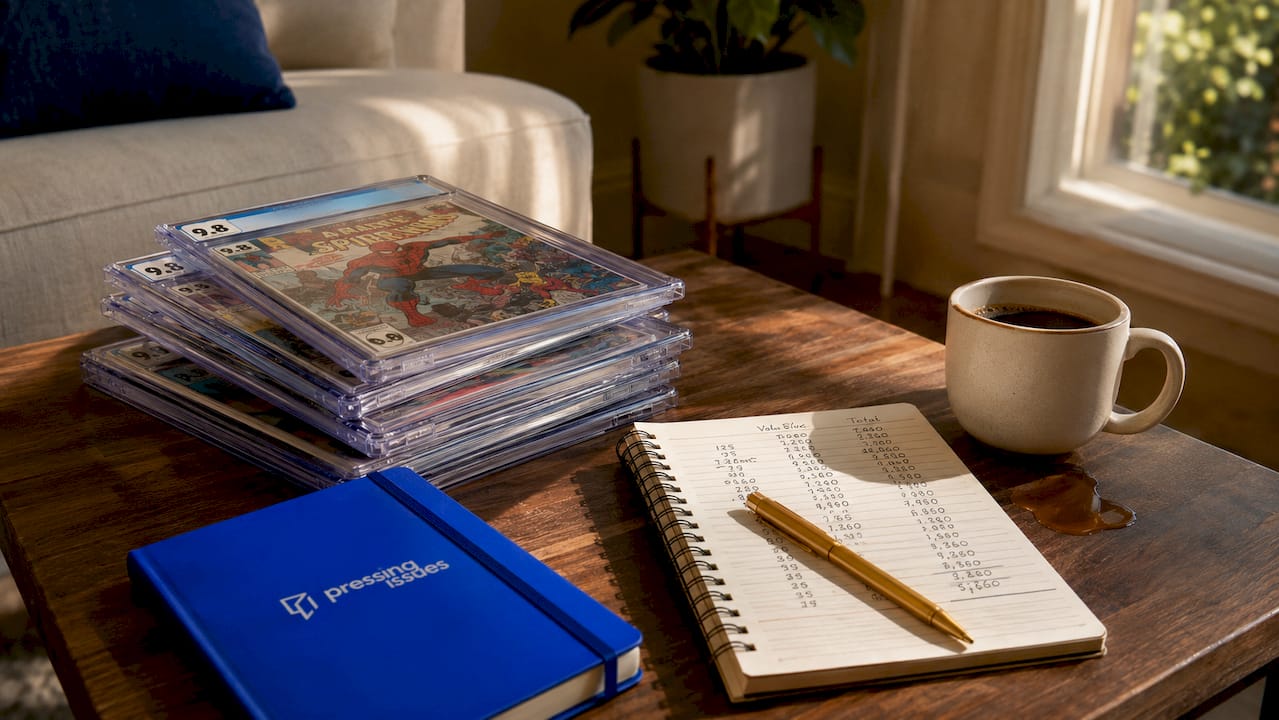
Strategic pressing targets roughly 5–10% of a collection, focused on books where a grade bump produces a return that clearly outweighs the service cost.
What Pressing Issues brings to professional comic pressing in Seattle and Portland
Pressing Issues is a professional comic book pressing and cleaning service based in Seattle, Washington and Portland, Oregon, built around transparency, craftsmanship, and genuine care for the books collectors trust us with.
Here is what sets the service apart:
- Insurance coverage: Books are covered during the pressing and cleaning process, giving you real peace of mind on high-value submissions.
- Transparent pricing: Rates and turnaround times are clearly published, with no hidden fees.
- Defined turnaround windows: We give you realistic timelines upfront, including priority options for collectors with time-sensitive needs.
- Expert assessment: Every book is evaluated before pressing to determine whether it is a good candidate, because sending the wrong book wastes your money.
- Dry cleaning included where appropriate: Surface cleaning is part of the process on books that need it, not an afterthought.
Pressing Issues was founded on the belief that every collector deserves to know exactly what is happening to their books and why. We treat your comics the way we treat our own.
We work with collectors and sellers across the Pacific Northwest and beyond, handling everything from modern keys to Golden Age treasures. If you are preparing books for CGC or CBCS grading submissions, we can help you choose which comics to send for pressing so your investment goes where it counts.
Which professional pressing services are worth knowing about?
The U.S. market has several reputable options for collectors who want professional pressing and cleaning.

CGC offers its own pressing service through its submission tiers, which is convenient for collectors already submitting for grading. The pressing is performed before grading, and the cost is bundled into the submission fee depending on the tier selected.
CBCS similarly offers pressing as part of its grading submission process. Both CGC and CBCS pressing services are designed to work within their own grading pipelines, which can simplify logistics for collectors submitting directly.
Avery Comic Pressing is an independent pressing and cleaning service with a following among collectors who prefer a dedicated presser over a grading company's in-house option. Independent pressers often provide more detailed pre-screening and communication.
The Comic Book Presser is another independent service that handles pressing and cleaning for collectors preparing books for grading. Independent services like this one tend to offer more flexibility on turnaround options and direct communication about each book's condition.
Pressing Issues serves the Pacific Northwest with a focus on transparency, insurance, and collector education, making it a strong choice for collectors who want to understand exactly what is happening to their books before and after the process.
When evaluating any pressing service, look for clear pricing, defined turnaround times, insurance coverage, and a willingness to pre-screen your books honestly. A presser who tells you a book is not worth pressing is one you can trust.
Pressing Issues is ready to bring your comics back to life
If you have been sitting on a collection of books with bends, ripples, or light spine roll, professional pressing is one of the most cost-effective ways to recover value before a grading submission or sale. Pressing Issues offers professional comic book cleaning and pressing in Seattle and Portland, with transparent pricing, real insurance coverage, and honest pre-screening on every book we handle. We are not here to press books that will not benefit. We are here to help you make smart decisions about your collection and get the best possible result when it matters. Ready to see what your books are worth after a proper press? Reach out to Pressing Issues today and let us take a look.
Key Takeaways
Professional comic pressing is the single most cost-effective conservation step a collector can take before a grading submission, provided the defects are pressable and the book grades in the 8.5–9.4 range.
| Point | Details |
|---|---|
| Pressing vs. restoration | Pressing adds no material and carries no restored label; restoration does and significantly reduces collector demand. |
| Optimal grade range | Books grading 8.5–9.4 see the strongest return on pressing investment; below 8.0 rarely benefits. |
| Process takes time | A single book typically requires over 24 hours from dry cleaning through cooling, making professional expertise worth the cost. |
| Priority service is speed, not magic | Expedited tiers move your books faster but do not increase the physical grade improvement potential. |
| Pressing Issues | Offers insured, transparent pressing and cleaning in Seattle and Portland with honest pre-screening on every submission. |