Pressing reliably improves surface-flatness issues like cover curl, non-color-breaking bends, light dents, and waviness, often close to full correction. It cannot fix defects involving ink loss, missing paper, or chemical staining, including color-breaking creases, tears, rust, and mold. Pressing is a non-restorative process, so a proper pre-service inspection matters more than any single technique. The sections below cover the specifics and how to prepare your book for submission.
TL;DR:
- Pressing effectively fixes surface-flatness defects such as cover curl, light dents, and warping, provided the ink remains unbroken and material intact.
- It cannot correct color-breaking creases, tears, missing paper, rust, mold, or stains caused by chemicals, as these involve material loss or chemical damage.
- A proper inspection before pressing is essential to identify pressable flaws; misdiagnosis can worsen damage or lead to wasted effort.
- Older or previously damaged books are less likely to respond well, especially if fibers are brittle or signs of prior improper pressing are visible.
- A professional press assesses each defect thoroughly, uses controlled humidity and heat, and typically requires multiple sessions for stubborn flaws.
Table of Contents
- Which Defects Pressing Fixes: The Pressable Category
- Defects Pressing Can't Touch, and Why
- How Professional Pressing Actually Works
- What Results to Expect, and What Pressing Won't Change
- When a Professional Will Refuse to Press Your Book
- What Twenty Years of Comic Handling Teaches You About Pressing
- How to Get Your Comic Book Professionally Pressed
- Sources
- FAQ
Which Defects Pressing Fixes: The Pressable Category
Pressing works on what conservators call surface-flatness defects: problems where the paper fibers bent, but never broke or lost material. The ink layer stays intact, nothing tore, and nothing chemically changed. That intact structure is what separates a fixable flaw from a permanent one, according to Comic Book CPR's breakdown of pressable defects.
Here's what typically responds well to controlled humidity, heat, and pressure:
- Cover curl and stacking curl. Long-term storage in a stack or bag can bow the front cover. This is one of the most consistently correctable defects.
- Non-color-breaking bends. A crease that folded the paper without cracking the ink underneath.
- Finger dents and indents. The small divots left by careless handling at conventions or comic shops.
- Light dents and divots. Shallow surface impressions from pressure, not impact.
- Waviness or warping from humidity. Paper that absorbed moisture unevenly and rippled as it dried.
- Staple push without color break. The staple has pushed against the cover, but the ink layer over it hasn't cracked.
- Minor corner bends. Soft folds at the corners that haven't creased through the fibers.
- Rippling from oversaturation. Books that got too much moisture during a prior treatment sometimes need a cold press first, letting fibers settle before any heat gets applied.
Cover curl often corrects almost completely within 24 to 48 hours of pressing. Finger dents and light indentations typically show 60% to 80% visual improvement, while corner bends and long-set creases improve more modestly depending on the book's age and how long the crease has been set, per MyComicsCollection's pressing timeline data. A crease that's been sitting for 40 years behaves differently than one that formed last month. Fiber memory sets over time, and older paper is less forgiving.
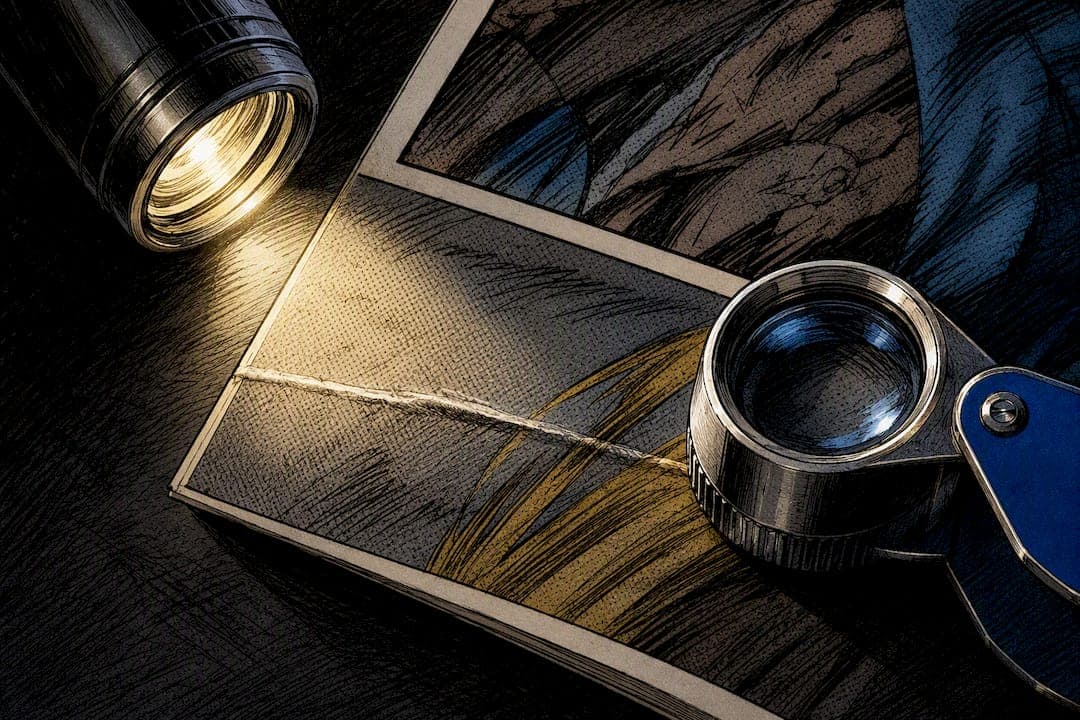
Diagnosing which category a defect falls into is the whole game. Hold the page under raking light (a light source angled low across the surface) and examine the crease with a 10x loupe. If the ink stays unbroken and continuous across the fold, you're likely looking at a pressable defect. If you see a thin white or lighter line running through the color, that's a color break, and pressing won't touch it.
Pro Tip: Take your raking-light photos before you ever hand a book to a presser. A defect that looks borderline in normal room light often reveals itself clearly once you angle a flashlight across the surface at a low angle.
Defects Pressing Can't Touch, and Why
Pressing is strictly non-restorative. It reshapes paper fibers that are still structurally whole. It cannot rebuild fibers, restore lost ink, or reverse a chemical reaction, according to CGC's official pressing guidance.
The defects below fall outside what any legitimate press service can correct:
- Color-breaking creases. The crease is deep enough that the ink layer itself cracked. No amount of heat puts pigment back.
- Tears. Torn fibers are severed fibers. There's nothing left to reshape.
- Missing pieces or chips. Material loss is permanent by definition.
- Rust and staple corrosion. The metal has chemically transferred stains into the paper.
- Tape pulls. Adhesive residue usually takes fibers and printed surface with it when removed.
- Grease or oil stains. The stain has penetrated and chemically bonded with the paper.
- Mold. A biological growth, not a shape distortion.
- Sun fading. UV exposure breaks down the pigment molecules themselves.
- Printer creases. These happened during production, before the book ever left the press. The fold is often set into the paper at the manufacturing stage.
- Brittle paper. Age has already broken down the cellulose structure. Heat and pressure on brittle stock risks cracking, not fixing.
Trying to press a rust stain or a tape pull doesn't just fail to fix the underlying material loss. It frequently makes the visual result worse, according to Comic Book CPR's analysis of unpressable defects, because the added heat and moisture can spread a stain or further weaken already-compromised fibers.
That's the core risk of DIY pressing on the wrong defect: you're not just wasting effort, you're actively degrading a book that might have held stable otherwise.
How Professional Pressing Actually Works
A legitimate pressing session starts with inspection, not heat. A pre-service assessment checks spine integrity, cover stability, and paper flexibility before anything touches the press. Books that fail this check, usually due to brittleness or prior damage, get turned away rather than risked.
- Inspection and diagnosis. The presser examines every defect under raking light and a loupe, since the visual read at this stage determines most of the outcome, per MyComicsCollection's pressing analysis.
- Humidification. Controlled moisture relaxes the paper fibers so they can be reshaped without cracking. Oversaturated books sometimes need a cold press step first, letting fibers stabilize before heat gets introduced, which prevents trapping moisture and creating new ripples.
- Targeted dent removal. Techniques like ball bearing and tack iron work address specific finger dents and divots directly, rather than treating the whole book uniformly.
- Protective staging. Interior stacking layers shield the centerfold and staples from unnecessary pressure during the process.
- Heated press cycles. Controlled heat and pressure set the corrected shape into the fibers, following the humidification and targeted work described in Comic Book CPR's pressing process.
- Cooldown. The book needs time to stabilize at room temperature before the fix is considered set. Skipping this step is a common cause of relapse.
Multiple sessions are sometimes necessary for stubborn or long-set defects. A single pass on a decades-old corner bend may only get partial improvement, requiring a second round after the fibers have had time to adjust.
Pro Tip: If a provider offers to press your book in the time it takes to grab coffee, that's a red flag. Proper humidification and cooldown take real time. Rushing either step is how books end up with new problems instead of fixed old ones.
What Results to Expect, and What Pressing Won't Change
Pressing produces genuinely strong results on the right defects.
What pressing does not do is erase the notes tied to unpressable defects. If a book has both a light finger dent and a color-breaking crease, pressing may clean up the dent while the crease, and its grading impact, stays exactly where it was.
That distinction matters most when a book is already slabbed. Cracking a CGC slab to press out a single minor pressable defect carries real risk. A grading service's label may reflect the treatment, and resubmission means a fresh look at the entire book. The grader could note additional defects missed the first time, and transit or handling during the crack-and-resubmit cycle adds its own exposure risk. According to Comic Book CPR's grader risk analysis, the grade may not move at all if the original defect wasn't heavily weighted in the first assessment.
Before cracking a slab, run the numbers:
- Estimated pressing and resubmission cost versus the probable grade uplift in dollars.
- Whether the defect being targeted was actually capping the grade, or whether something unpressable already sets the ceiling.
- The handling risk of shipping and cracking a book that's currently protected.
A half-point bump on a mid-grade book rarely justifies the risk. A jump from a 9.0 to a 9.6 on a key issue often does.
When a Professional Will Refuse to Press Your Book
Certain warning signs mean a responsible presser walks away rather than risks the book. Brittleness is the biggest one. Paper that feels dry, crumbly, or shows white fiber breaks along existing folds is too structurally compromised for heat and pressure.
- Visible white cracking under loupe examination. This indicates the fibers have already started to fail.
- Rust stains or active corrosion. These are chemical, not structural, and heat won't reverse them.
- Active mold or a musty odor. Biological growth needs conservation treatment, not pressing.
- Wet or currently saturated paper. Pressing a book that's actively damp risks locking moisture into the pages.
- Signs of prior improper pressing. A fused spine or crushed staple area often means someone already applied heat incorrectly, and a second attempt compounds the damage.
For books showing these signs, the safer paths are dry cleaning, a referral to a paper conservator, or simply leaving the book as-is. A water-damaged comic often needs treatment within 24 to 48 hours of the exposure to have any realistic shot at improvement, after that window, the risk calculus changes.
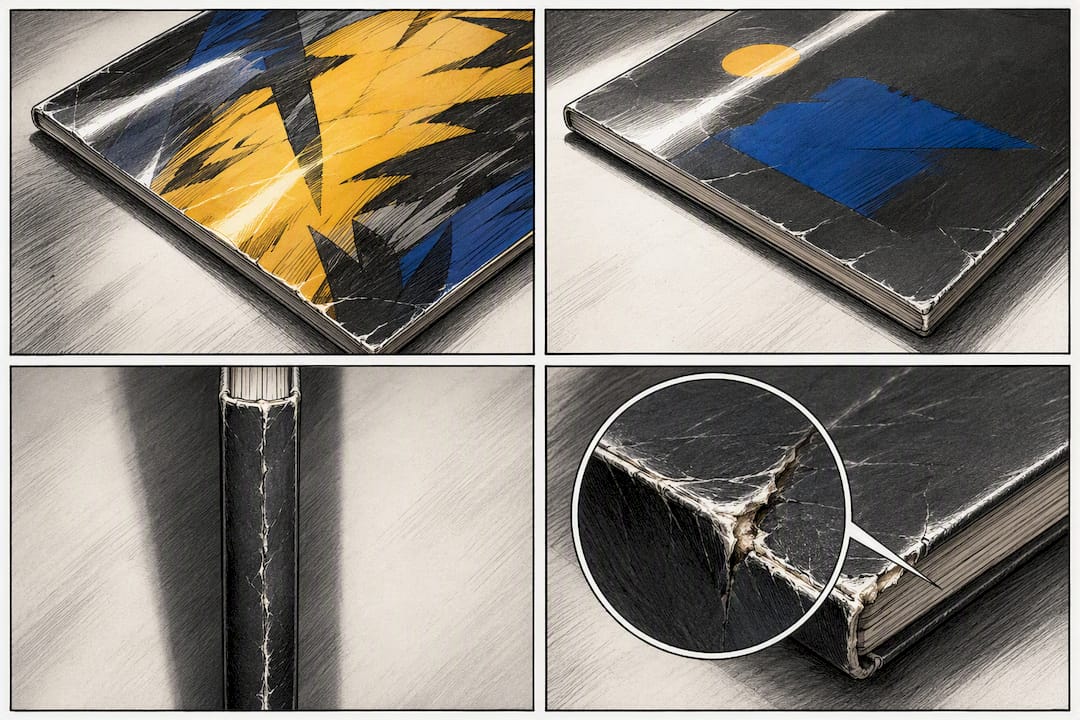
Pro Tip: Before you send anything in, take four photos: front cover under raking light, back cover under raking light, spine straight on, and a close-up of the worst defect with a loupe if you have one. This single habit resolves most estimate disputes before they start.
What Twenty Years of Comic Handling Teaches You About Pressing
The biggest mistake collectors make isn't choosing to press. It's skipping the diagnosis step and assuming every visible flaw is fixable. DIY attempts with a household iron are the second most common error, since uncontrolled heat can lock in a crease rather than lift it. A close third: pressing a book with a color break, hoping the crease disappears when the underlying ink damage never will.
Get the pre-service inspection first, photograph every problem area, and let the diagnosis, not hope, determine what happens next.
— Charles
How to Get Your Comic Book Professionally Pressed
If your book has cover curl, finger dents, or waviness and you want a realistic read on what pressing can do for it, a professional pressing service offers a trained eye that separates a pressable bend from a color break before any heat gets applied, so you're not paying to press a defect that was never fixable in the first place.
Booking starts with photos. Send front and back cover shots under raking light, a straight-on spine photo, and a close-up of your most significant defect. Include the book's age, any prior grading history, and a description of what's bothering you about its appearance. From there, Pressing Issues provides an estimate covering comic book pressing, comic cleaning, and CGC submission handling if you're planning to grade afterward. Rates and typical turnaround windows are listed on the services and rates page, so you know what to expect before committing. Pack books in a rigid mailer with a board on each side, and skip the tape directly on the bag. Ready to see what your book can look like? Submit your photos through the pressing service page to get started.
Sources
- CGC: Comic book pressing
- Comic Book CPR: Pressable defects on comic books
- How to press a comic before CGC submission — MyComicsCollection
FAQ
Can Pressing Remove a Color-Breaking Crease?
No. Once the ink layer has cracked, pressing cannot restore it, since the defect involves ink loss rather than a fiber bend.
Is It Worth Cracking a CGC Slab to Press a Minor Defect?
Usually not for small pressable flaws. Grader risk, resubmission cost, and the chance the grade doesn't move all argue for reserving slab-cracking for defects with real grade impact.
What Photos Should I Take Before Requesting a Pressing Estimate?
Take raking-light shots of the front and back covers, a straight spine photo, and a close-up of the worst defect, ideally with a loupe for detail.
Can Pressing Fix Water-Damaged Comics?
Sometimes, if the book is pressed within 24 to 48 hours of the exposure and the damage is limited to waviness rather than mold or staining.